
OFFSHORE COATING QUALIFICATION TESTING
Offshore coatings are exposed to more than salt. Depending on where the system is used, qualification can involve cyclic corrosion, ultraviolet exposure, condensation, seawater immersion, thermal cycling, cathodic protection, impact, adhesion loss, blistering, cracking, and corrosion at coating defects and edges.
GPI Labs tests protective coating systems for atmospheric, splash-zone, submerged, and ballast-tank service. Testing can be performed to AMPP/NACE offshore methods, ISO 12944-9, NORSOK M-501, and the ASTM and ISO procedures referenced by those programs. GPI can prepare specimens, apply coatings, run the required exposures, measure coating and corrosion performance, and document the results in a laboratory report.
Send the standard or project specification, coating system, intended service environment, target film thickness, specimen requirements, and evaluation criteria. GPI can help identify the laboratory work needed to build the test program.
Offshore Coating Testing by Service Environment
The required exposure depends on where the coating will be used, whether it is a new-construction or maintenance system, and which failure mechanisms the manufacturer needs to examine.
Atmospheric Service
Programs can combine cyclic corrosion, UV/condensation weathering, thermal exposure, rust-creep measurement, edge-retention analysis, flexibility, impact testing, and adhesion measurements.
Splash and Tidal Zones
Testing can include seawater immersion, wet adhesion, wet disbondment, cathodic disbondment, blister evaluation, thermal exposure, and other measurements specified for splash-zone coating systems.
Submerged Exterior Steel
Programs may evaluate immersion resistance, adhesion retention, dimensional and aging stability, edge coverage, coating integrity, and resistance to disbondment when the coating is used with cathodic protection.
Ballast-Water Tanks
Ballast-tank programs can include seawater immersion, cathodic disbondment, hot/wet exposure, thermal cycling, thick-film cracking evaluation, dimensional stability, aging stability, adhesion retention, and edge-retention testing.
New-Construction Systems
Specimens are prepared to the required blast-cleaning standard and anchor profile. Approved pre-construction primers can be included when they will remain beneath the field-applied system. Application conditions and individual coating thicknesses can be documented as required.
Maintenance Systems
Separate specimen sets can represent different surface-preparation conditions, contamination levels, damp-surface application, film builds, or other variables needed to reproduce the proposed maintenance or repair procedure.
GPI’s role: GPI controls the agreed exposure and collects the specified measurements. The coating manufacturer or owner uses those data to evaluate the system for the intended service.
How Manufacturers Use Offshore Coating Testing
Offshore coating testing can be used to qualify a system, compare competing formulations, investigate a material or process change, or determine how a coating deteriorates under a defined environment.
Compare Candidate and Existing Systems
Candidate coatings can be tested beside an incumbent product, control system, alternate supplier, different film build, or another formulation. Keeping the substrate, application, and exposure conditions consistent makes differences in performance easier to measure.
Evaluate Changes Before Requalification
A change in resin, pigment, raw-material source, coating component, application process, or manufacturing method can be compared with previously tested material. Material characterization can be added when the test program needs to establish that the submitted coating matches a reference material.
Evaluate the Applied Coating System
GPI can document surface preparation, coating application, wet- and dry-film thickness, recoat intervals, cure, and other application variables that can affect offshore performance. Different application conditions or film builds can be included as separate specimen groups.
Measure What Changed During Exposure
Testing can track rust creepage, blistering, adhesion, disbondment, cracking, edge performance, impact resistance, and other specified properties. Pre-exposure and post-exposure measurements can be compared to show how the coating system changed during corrosion, weathering, immersion, or thermal exposure.
Applicable Offshore Coating Standards
Some documents define a complete offshore coating evaluation. Others provide the exposure, specimen preparation, material characterization, or measurement procedure used within that qualification program.
AMPP/NACE Offshore Methods
- TM0104: offshore ballast-water-tank coating systems.
- TM0204: exterior coatings for steel in continuous seawater immersion.
- TM0304: maintenance coatings for offshore atmospheric and splash zones.
- TM0404: new-construction coatings for offshore atmospheric and splash zones.
- TM0115: cathodic disbondment of coated steel under cathodic protection.
ISO Offshore Performance Testing
- ISO 12944-9: offshore and related structures in extreme atmospheric and seawater-immersion environments.
- ISO 12944-6: laboratory performance testing of protective paint systems for steel structures.
- ISO 20340: withdrawn offshore standard now incorporated into ISO 12944-9 but still cited by legacy project documents.
NORSOK M-501
NORSOK M-501 addresses coating selection, prequalification, surface preparation, application, inspection, repair, and project documentation. GPI performs the specified laboratory exposures and reports the resulting measurements for coating-system prequalification review.
Referenced Exposure and Evaluation Methods
Environmental Exposure
- ASTM D5894: cyclic salt fog and UV/condensation exposure.
- ASTM D1141: preparation of substitute ocean water.
- ISO 16474-3: fluorescent-UV exposure.
- ISO 2812-2: water-immersion resistance.
- Thermal exposure: elevated-temperature, low-temperature, and temperature-cycling procedures when required by the governing qualification program.
Cathodic Disbondment
- ASTM G8: cathodic disbonding of pipeline coatings.
- ASTM G42: cathodic disbonding at elevated temperature.
- ASTM G95: attached-cell cathodic-disbondment testing.
- ISO 15711: cathodic-disbondment resistance in seawater.
Coating Evaluation
- ASTM D1654: corrosion creepage and coating loss at a scribe.
- ASTM D714: blister size and frequency.
- ASTM D4541: pull-off adhesion strength and failure mode.
- ASTM G14 and D2794: impact resistance.
- ISO 17872: preparation of artificial coating defects.
Material Characterization
- Physical-property measurements when required by the qualification program.
- Gravimetric characterization of coating materials.
- Spectroscopic identification or fingerprinting when specified.
- Comparison of submitted materials with reference or previously tested materials.
Specify the governing document and edition: Exposure conditions, specimen quantities, evaluation procedures, material-characterization requirements, and acceptance criteria can differ among editions and project specifications. GPI uses the requirements identified in the approved test plan.
How GPI Runs an Offshore Coating Test
The laboratory program starts with the governing specification and ends with measured coating performance. The specimen preparation, exposure sequence, inspections, and evaluation methods are defined before testing begins.
1. Define the Test Program
GPI reviews the governing standard or project specification and identifies the required substrate, surface preparation, coating system, specimen geometry, replicate quantity, film thickness, cure, exposure sequence, duration, inspection intervals, and evaluation methods.
The test matrix can include candidate coatings, control systems, multiple film builds, application variables, unexposed reference specimens, or separate specimen groups for different environmental exposures.
2. Prepare and Document the Specimens
GPI can prepare the substrate, document surface cleanliness and profile, apply the coating system, and record the application conditions required by the test plan. Records can include coating and batch identification, mixing, application method, wet-film thickness, dry-film thickness, recoat intervals, and cure.
When material identity is part of the qualification, physical, gravimetric, or spectroscopic measurements can also be used to characterize the submitted coating.
3. Run the Required Exposure
Depending on the service environment and governing procedure, specimens can be exposed to cyclic corrosion, UV/condensation, seawater immersion, hot/wet conditions, elevated or low temperature, thermal cycling, or cathodic-disbondment testing.
Offshore programs often combine several stresses because atmospheric, splash-zone, submerged, and ballast-tank environments do not expose coatings to a single condition. GPI records the equipment, solutions, temperatures, electrical conditions, exposure time, cycle count, inspections, and any deviations from the approved test plan.
4. Measure Coating Performance
Evaluation can include rust creepage, blistering, pull-off adhesion, adhesive and cohesive failure, cathodic disbondment, wet disbondment, cracking, edge retention, impact resistance, flexibility, dry-film thickness, and visible coating deterioration.
Where the program requires it, the same property can be measured before and after exposure so the change in coating performance can be quantified directly.
5. Document and Compare the Results
GPI reports the individual specimen results, photographs, observations, test conditions, and measured failure modes. Candidate systems, control coatings, replicates, and pre- and post-exposure measurements can be presented side by side so differences in performance can be evaluated.
Equipment Used for Exposure and Measurement
The equipment used is selected from the governing standard and approved test plan. A program may combine several exposure, material-characterization, and measurement systems.
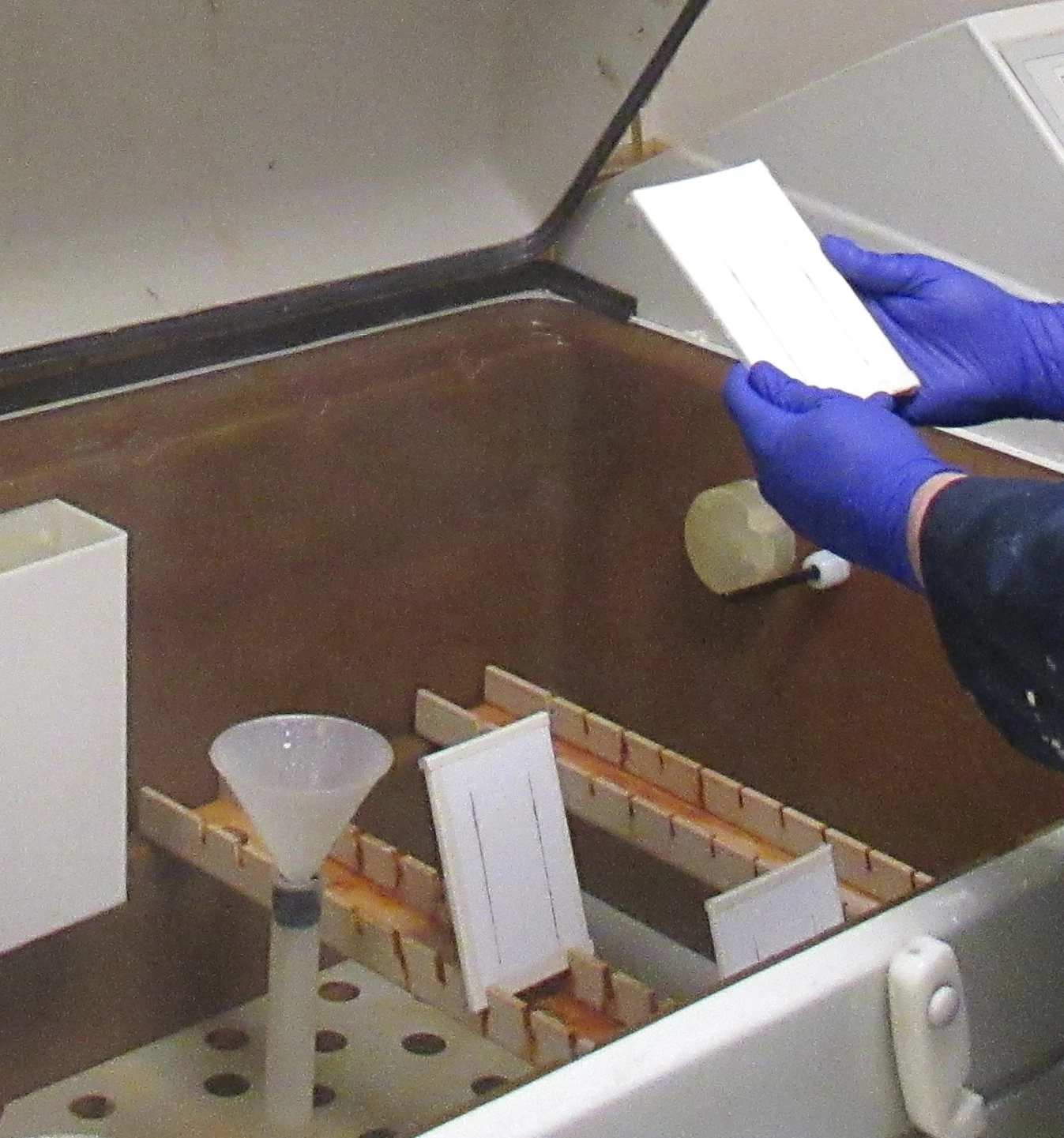
Environmental Exposure
- Cyclic corrosion and fog/dry chambers.
- Fluorescent UV/condensation weathering equipment.
- Programmable refrigerated temperature equipment.
- Temperature-controlled seawater-immersion systems.
- Hot/wet exposure equipment.
- Controlled elevated- and low-temperature exposure.
- Thermal-cycling and thick-film evaluation setups.
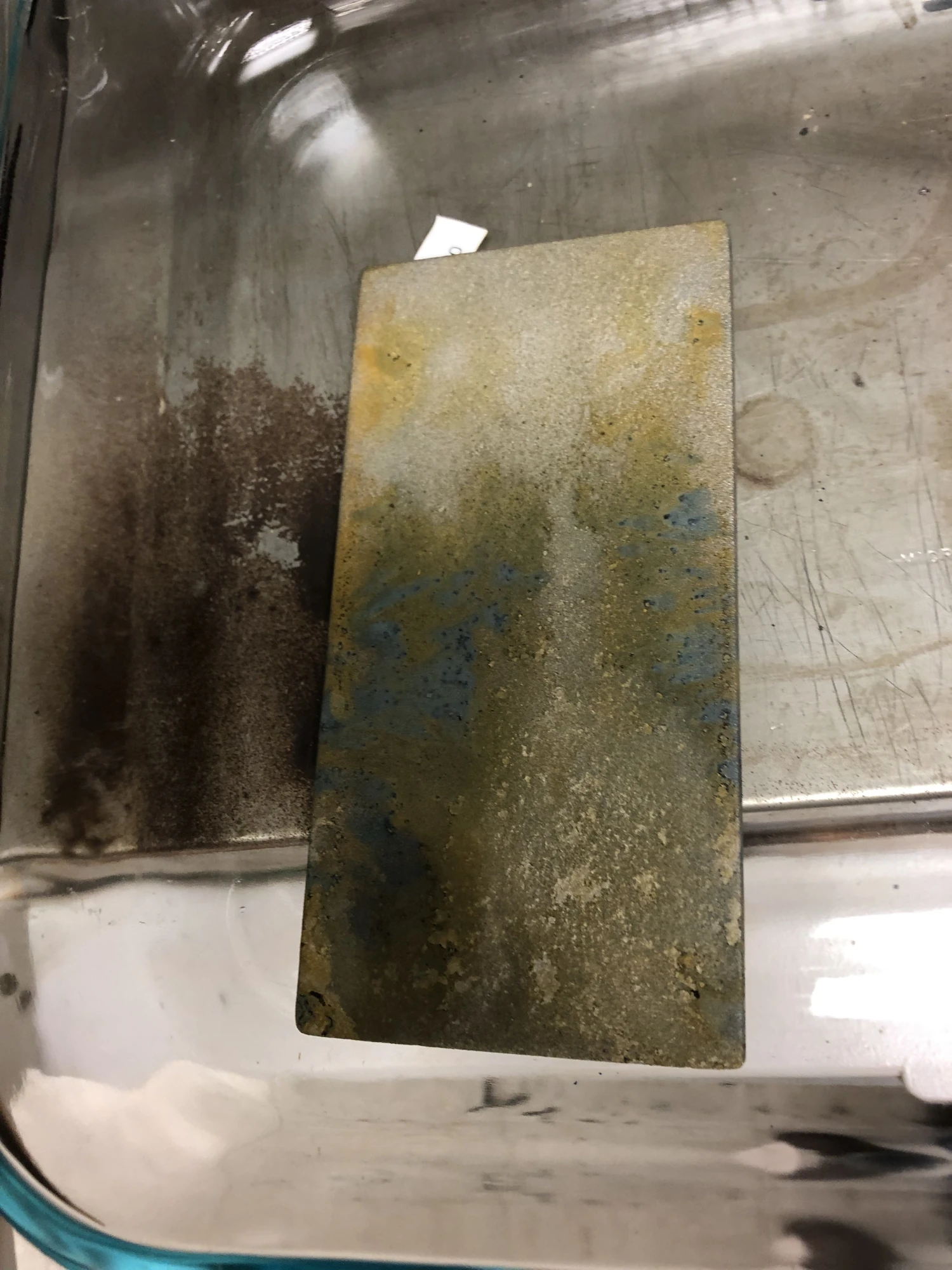
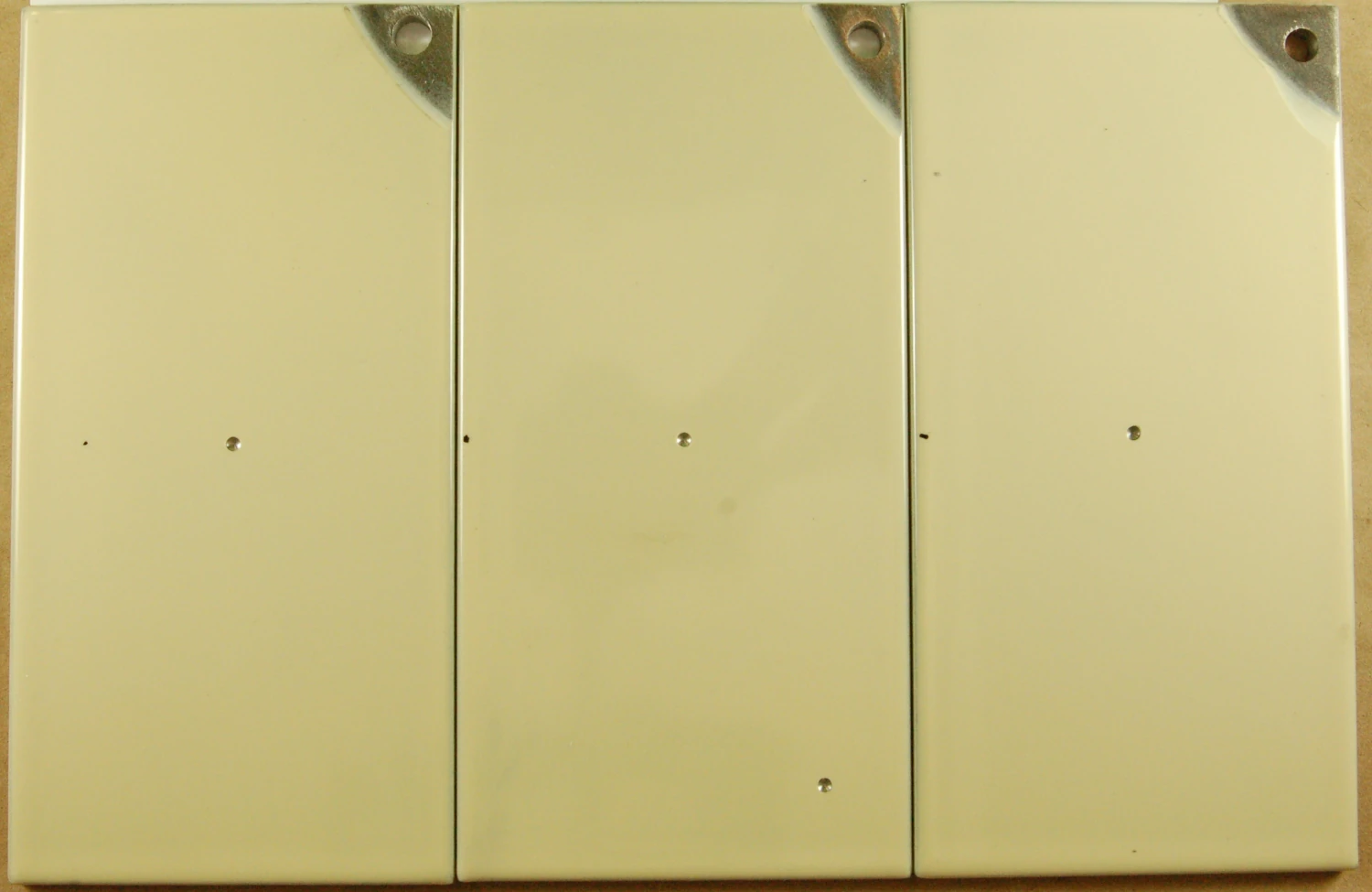
Cathodic Disbondment
- Immersion and attached test cells.
- Controlled electrical protection systems.
- Reference electrodes and voltage measurement.
- Controlled electrolyte preparation and temperature.
- Holiday preparation and radial-disbondment measurement.
- Long-duration exposure when required by the test procedure.
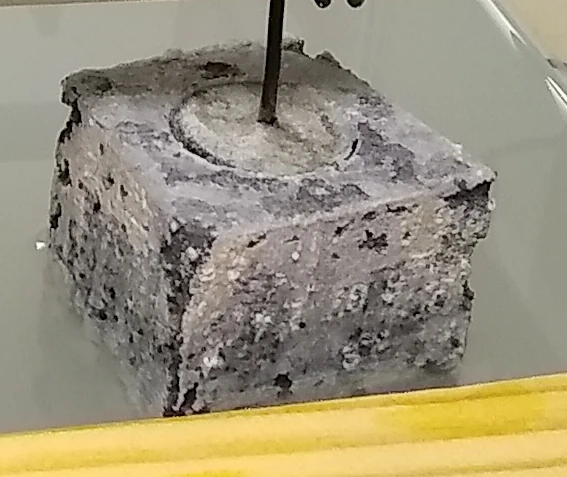
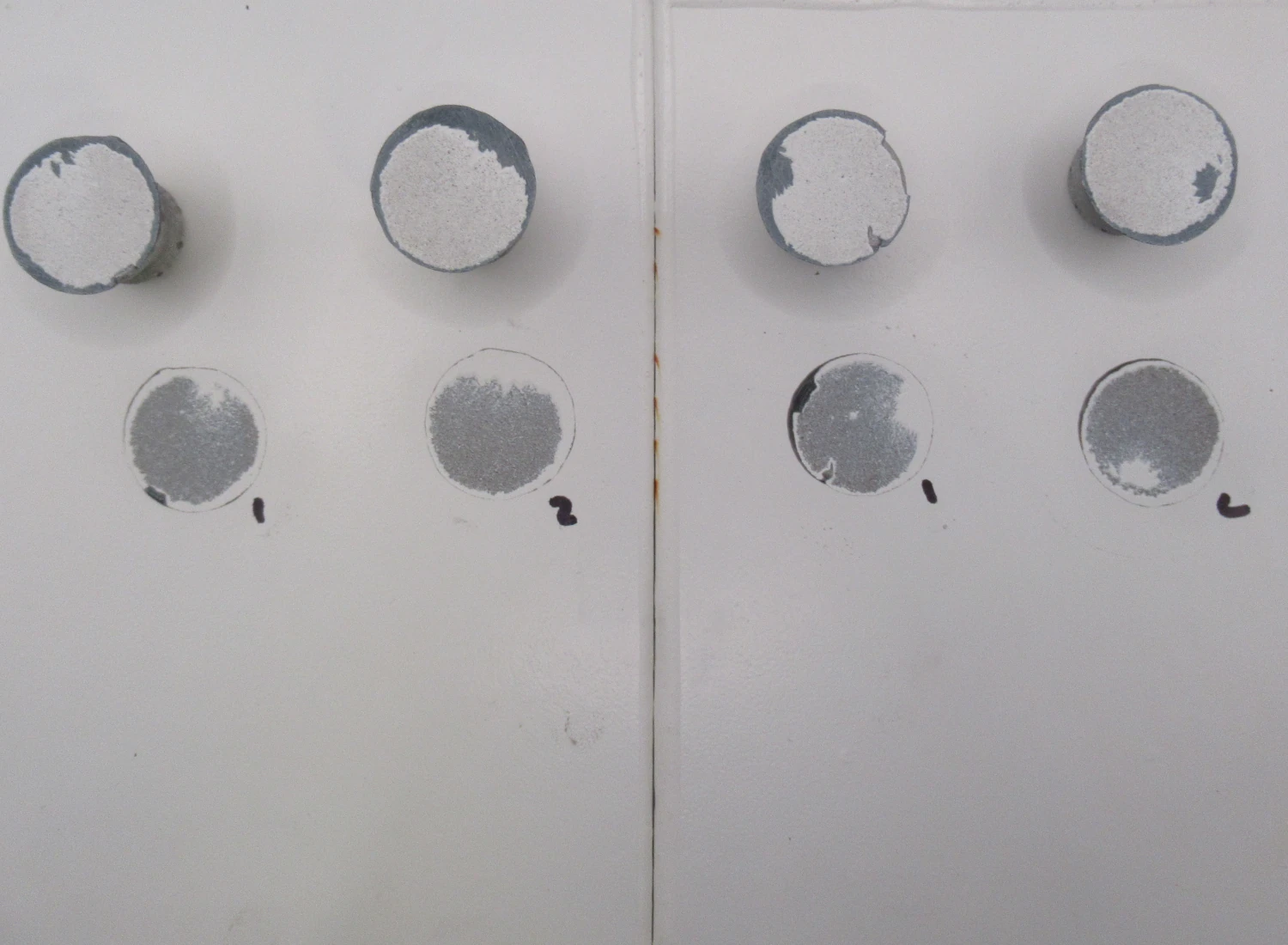
Coating Measurements
- Dry-film-thickness measurement.
- Replica-tape and surface-profile measurement.
- Pull-off adhesion testing.
- Low-voltage holiday detection.
- Mandrel-bend and impact testing.
- Rust-creep, blistering, and disbondment measurement.
Application Evaluation
- Coating preparation and mixing documentation.
- Application-condition monitoring.
- Wet- and dry-film-thickness measurement.
- Cure and recoat documentation.
- Visual evaluation of application-related defects.

Microscopy and Material Analysis
- Stereo-microscope examination.
- Sectioning and mounting of coated specimens.
- Optical coating-thickness measurement.
- FTIR or FTIR-ATR material characterization when required.
- Physical and gravimetric coating measurements.
- Comparison of coating materials before and after changes or exposure.
Offshore Coating Test Reports
A useful qualification report needs to show what was tested, how it was exposed, what was measured, and what happened to each specimen.
Specimen Traceability
- Coating manufacturer, product, component, and batch identification.
- Substrate and specimen identification.
- Surface preparation and profile.
- Application method and coating sequence.
- Dry-film thickness and cure history.
Exposure Control
- Governing standard and edition.
- Exposure equipment and operating conditions.
- Solutions, temperatures, cycles, and electrical conditions.
- Total exposure time and inspection intervals.
- Recorded interruptions or deviations.
Measured Performance
- Rust creepage and corrosion at coating defects.
- Blistering and visible coating deterioration.
- Adhesion and failure mode.
- Cathodic or wet disbondment.
- Cracking, edge performance, flexibility, and impact results.
- Pre- and post-exposure comparisons when required.
Photographs and Comparative Results
- Individual specimen results rather than only group averages.
- Side-by-side comparison of candidate and control systems.
- Photographs of coating condition and failure locations.
- Microscopic images when cross-sectional or failure analysis is included.
- Results organized against specified acceptance criteria when provided.
Coatings and Industries Tested
GPI tests offshore coating systems for manufacturers, owners, engineers, fabricators, and applicators that need independent exposure measurements for product development, comparison, or customer review.
Coating Systems Evaluated
- Zinc-rich primers.
- Epoxy primers and intermediate coats.
- High-build and ultra-high-build epoxies.
- Glass-flake-reinforced coatings.
- Surface-tolerant maintenance coatings.
- Immersion-grade and ballast-tank coatings.
- Abrasion-resistant coatings.
- Polyurethane and polysiloxane topcoats.
- Systems intended for service with cathodic protection.
Industries and Organizations
- Protective-coating manufacturers.
- Offshore oil and gas operators.
- Offshore wind developers.
- Engineering and construction firms.
- Shipyards and FPSO conversion facilities.
- Structural-steel fabricators.
- Subsea equipment manufacturers.
- Port and marine infrastructure owners.
- Coating applicators and maintenance contractors.
Offshore Coating Testing FAQ
Which offshore coating standard applies?
The applicable standard depends on the service environment and project requirements. AMPP/NACE TM0304 covers maintenance coatings for atmospheric and splash-zone service, while TM0404 addresses new-construction systems in those environments. TM0204 addresses continuously immersed exterior steel, and TM0104 addresses ballast-water tanks. ISO 12944-9 and NORSOK M-501 can also define offshore coating qualification requirements.
Can GPI prepare and coat the test specimens?
Yes. GPI can receive customer-prepared specimens or prepare substrates and apply the coating system as part of the laboratory program. Surface preparation, application conditions, coating sequence, dry-film thickness, and cure can be documented when required.
Can GPI compare several coating systems in the same test?
Yes. Candidate formulations, existing products, control coatings, different film builds, or application variables can be included in the same test matrix and exposed under matched conditions.
What can be measured after offshore coating exposure?
Depending on the governing procedure, measurements can include rust creepage, blistering, pull-off adhesion, failure mode, cathodic disbondment, wet disbondment, cracking, edge retention, impact resistance, flexibility, dry-film thickness, and other visible or measured coating changes.
Can GPI perform cathodic disbondment and seawater immersion testing?
Yes. GPI performs controlled immersion and cathodic-disbondment testing using the conditions and measurement procedures required by the governing standard or project specification.
What should I send GPI for a quotation?
Send the governing standard or project specification, coating system or product data sheets, intended service environment, target film thickness, specimen requirements, evaluation criteria, and desired schedule. If the laboratory requirements are not completely defined, GPI can review the specification and identify the information needed to build the test plan.
Request Offshore Coating Testing
Tell GPI Labs which coating system is being evaluated, where it will be used, which standard or project specification applies, and what data are required. GPI can build a laboratory program covering specimen preparation, coating application, environmental exposure, measurement, documentation, and reporting.